
Pakistan has one of the highest rates of diabetes in the world. According to the International Diabetes Federation, approximately 33 million people in Pakistan are living with diabetes — and a large proportion of cases remain either undiagnosed or poorly controlled. For families caring for a diabetic parent or relative at home, understanding how to manage the condition day to day can make a significant difference to long-term health outcomes.
This guide covers the essentials of diabetes management at home, including monitoring, diet, medication, and knowing when professional support is needed.
Monitoring Blood Sugar at Home
Consistent blood sugar monitoring is the foundation of effective diabetes management. Without regular readings, it is impossible to know whether the patient levels are controlled, trending in the wrong direction, or approaching a dangerous threshold.
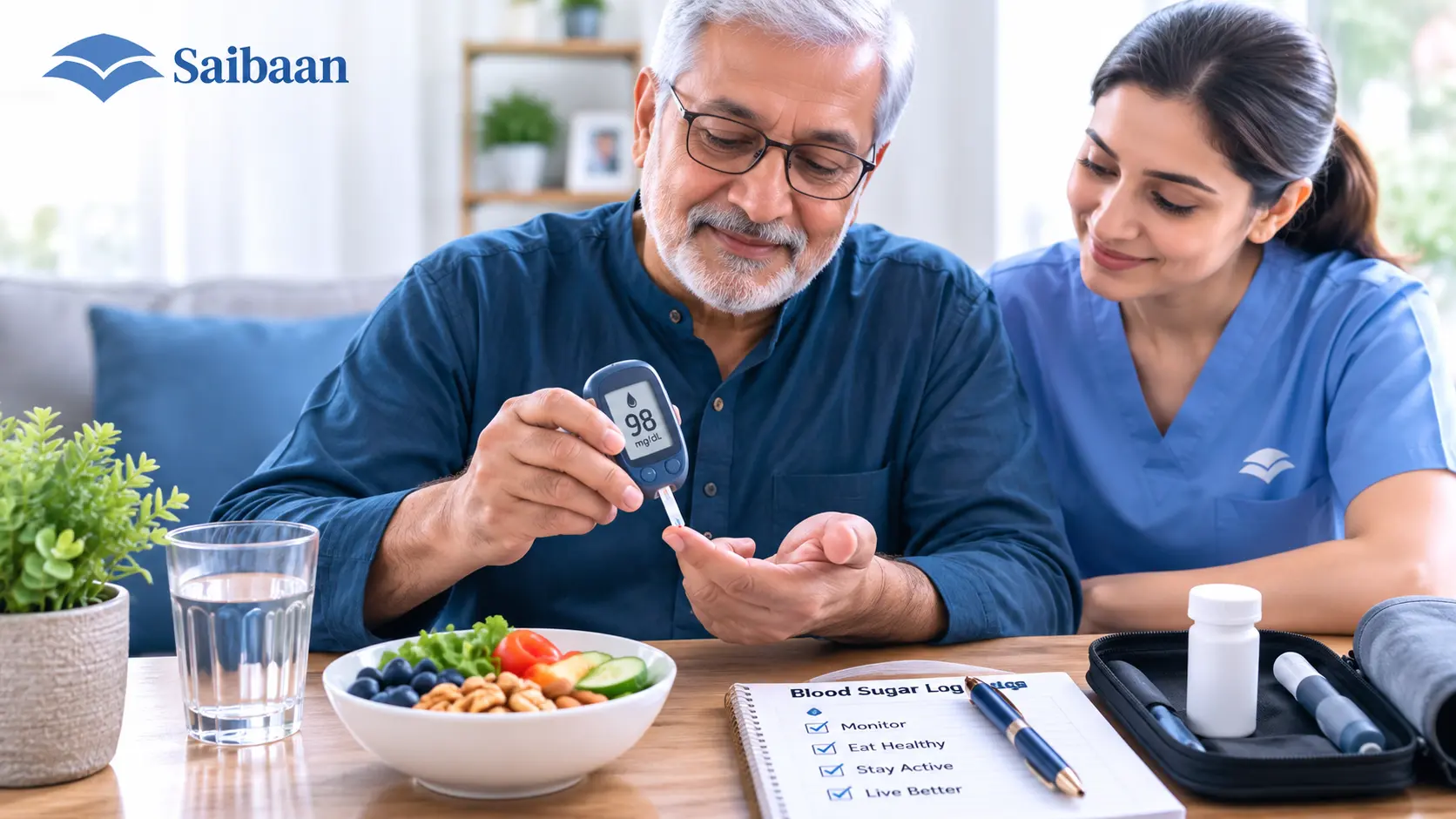
A reliable glucometer is an essential piece of home equipment for any diabetic patient. Readings should be taken at consistent times — typically before meals and two hours after eating — to give a meaningful picture of how the body is responding. Results should be recorded, not just checked, so that patterns become visible over time.
For elderly patients managing multiple conditions, keeping a simple daily log — blood sugar reading, time, what was eaten, and any symptoms — gives doctors far more useful information at follow-up appointments than verbal recollection.
Diet and Nutrition for Diabetic Patients
Diet is one of the most powerful tools in diabetes management, and also one of the most commonly mishandled. In Pakistani households, staple foods like white rice, naan, and sugary chai can cause significant blood sugar spikes if portions and frequency are not managed carefully.
This does not mean eliminating these foods entirely. It means being deliberate about portion sizes, pairing carbohydrates with protein and fibre, and reducing frequency of high-glycaemic foods. Roti made from whole wheat or mixed grain flour is preferable to refined maida. Daal, sabzi, eggs, and yoghurt are excellent daily staples for diabetic patients.
Meal timing also matters. Skipping meals or eating at inconsistent times disrupts blood sugar regulation. Three regular meals with controlled portions, and a small protein-based snack between meals if needed, is generally a more stable pattern than irregular eating.
Medication and Insulin Management
For many patients, lifestyle changes alone are not sufficient to control blood sugar. Oral medications and insulin injections require careful, consistent management at home.
Medications should be taken at the same time each day, with food where required. Missed doses or irregular timing are among the most common causes of poor diabetic control in Pakistani home settings. A simple pill organiser and a daily reminder system significantly reduces errors.
For patients on insulin, correct storage and injection technique matter as much as the dose itself. Insulin should be stored according to the manufacturer instructions — typically in a cool location, away from direct sunlight. Injection sites should be rotated to prevent tissue hardening, which affects absorption.
Recognising and Responding to Complications
Diabetic complications at home most commonly present as hypoglycaemia (low blood sugar) or as early signs of longer-term damage. Hypoglycaemia — shakiness, sweating, confusion, rapid heartbeat — requires immediate action: a small amount of fast-acting sugar such as fruit juice or glucose tablets, followed by a proper meal.
Diabetic foot care deserves particular attention. Poor circulation and nerve damage mean that small cuts or sores on the feet can develop into serious infections without causing significant pain. Feet should be inspected daily, kept clean and dry, and any wounds treated promptly. According to the International Diabetes Federation, Pakistan has one of the highest diabetes prevalence rates in the South-East Asia region, making awareness of complications especially important.
When to Bring in Professional Support
Self-management works well when the patient is motivated, mobile, and cognitively intact. For elderly patients, or those managing diabetes alongside other conditions, professional support at home makes control more consistent and complications less likely.
Saibaancare provides dedicated diabetic home care services including blood sugar monitoring, medication management, insulin support, foot care, and diet guidance. Our broader home care services can be tailored around your parent specific needs. For families coordinating care from abroad, regular updates ensure you are always informed of your parent condition. You can contact the team to discuss a care plan.
The Bottom Line
Diabetes management at home in Pakistan is entirely achievable with the right routine, equipment, and knowledge. Consistent monitoring, controlled diet, correct medication management, and early attention to complications are the four pillars that keep the condition under control.
The World Health Organization highlights that structured self-management education significantly improves outcomes for people living with diabetes. When the level of support needed goes beyond what the family can provide, a trained home nurse working alongside the family is the most practical and effective solution.
FAQs
Q: What blood sugar level is considered dangerous for a diabetic patient at home?
A: A reading below 70 mg/dL indicates hypoglycaemia and requires immediate treatment with fast-acting sugar. A reading consistently above 200 mg/dL after meals suggests poor control and should be discussed with a doctor. Readings above 300 mg/dL warrant urgent medical attention.
Q: How often should a diabetic patient check their blood sugar at home?
A: For most patients on medication or insulin, at least twice daily — before breakfast and two hours after the main meal. Your doctor may recommend more frequent monitoring depending on how stable the condition is.
Q: Can diabetes be managed without medication in Pakistan?
A: In early-stage Type 2 diabetes, diet and lifestyle changes alone can sometimes control blood sugar effectively. However, most patients with established diabetes require medication. Never stop prescribed medication without medical advice.
Q: What are the early signs of diabetic foot problems?
A: Numbness or tingling in the feet, skin discolouration, slow-healing cuts or sores, and unusual warmth or swelling are all early warning signs. Daily foot inspection and prompt attention to any wound is essential.
Q: How can I manage my diabetic parent care if I live abroad?
A: A professional home care provider can handle daily monitoring, medication reminders, and regular health updates. This removes reliance on informal arrangements and gives families abroad consistent, reliable information about their parent condition.
Q: Is home nursing helpful for diabetic patients in Pakistan?
A: Yes. A trained home nurse can manage blood sugar monitoring, insulin administration, foot care, and medication schedules — tasks that require consistency and clinical knowledge, particularly for elderly or mobility-limited patients.